One Member Is Souring Your Group and You're Pretending Not to Notice
What to do about the person who dominates, complains, or quietly poisons the room you worked so hard to build.
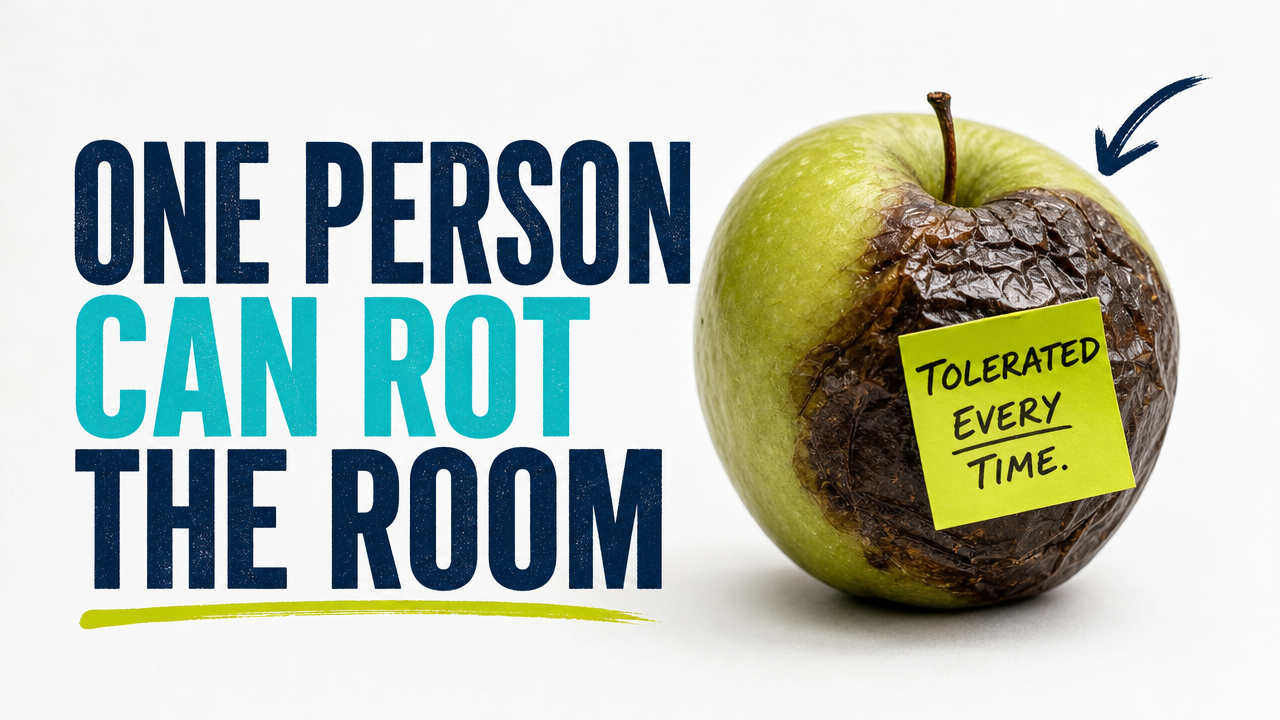
You know exactly who I mean. Every time you post, they're first in the comments. Sometimes the comment is fine. Sometimes it's a three-paragraph correction, a gripe about last year's schedule, or a pitch for their own offer.
You've been telling yourself it's not that bad. It's one person. You don't want to be the leader who kicks someone out of a wellness space. So you say nothing, and your stomach drops every time that notification pops up.
Letting it slide is a decision
When you ignore it, you're making a choice, and everyone watching can see you make it. The quiet members read that thread. They notice you didn't respond. They learn what's allowed here, and they adjust.
A room takes its tone from whatever the leader tolerates. The welcome post matters far less. If one person can take over every conversation, the others stop posting. Slowly at first, then all at once, and you're left wondering why your engagement fell off a cliff.
There's a practical reason this matters beyond the vibes. Your group is where past guests decide whether to come back. If they log in and find a fight, a monologue, or a sales pitch, they won't wait around to see how it ends.
The cost you're not counting
The people leaving the conversation are often your best future guests. They're the thoughtful ones who don't like conflict and won't fight for airtime. They simply go quiet, mute the group, and stop thinking of you as the person who holds a good space.
Those are the people who would have booked your next retreat. You'll never get an angry email from them. You'll just get silence and an empty seat in March.
Figure out which kind you're dealing with
Difficult members come in different shapes. The over-sharer needs a boundary. The complainer might have a real point buried under bad delivery. The self-promoter needs a rule. The one who picks fights needs a goodbye.
Take ten minutes and scroll back through the last two weeks of comments. Name what you see in plain words, with no diagnosis of their character. You'll often find the problem is smaller and more specific than the dread suggested, which means the fix is too.
Write the rules before you need them
A rule written after the incident feels like an accusation. A rule pinned from day one feels like weather. Keep it to three or four lines covering self-promotion, respect, and what happens when someone crosses the line.
If your group has run without rules, add them now and call it housekeeping. "We're tidying up how this space works" is true, and it lands softly. Now you have something to point to besides your own irritation.
Have the private conversation first
Send a direct message. Keep it plain. Name the specific behavior, say what you need instead, and tell them you want them in the group. Plenty of people adjust right away. Some are mortified they never realized.
If it keeps happening after one clear conversation, you have your answer. Remove them kindly and quickly, with a short note. Skip the public debate and the long explanation. A paragraph is plenty, and then you go back to serving the people who stayed.
Your move this week
Open your group and scroll back two weeks. Find the one person you've been dreading. Write down the specific behavior, not how it makes you feel. Then pin three or four lines of group guidelines, and send that member a direct message by Friday.
> "Your community takes its temperature from whatever you refuse to address." You know how to run a retreat. We teach you how to build the business behind it.